- Scholarly sources (2)
“Showing the human side of seal hunting.” Washingtonpost.com, 27 Sept. 2017. Gale Academic OneFile.
This source highlights the representation of seal hunting in campaigns. It talks about the clichés depicted in posters and ads. While reading, I discovered a new approach that a photographer used to present seal hunting to the general public. He takes pictures in black and white in order to avoid creating an emphasis on blood and place the focus on humans. This source confirms what I learned in the documentary Angry Inuk. I was exposed to a new perspective regarding the portrayal of seal hunting; the photographer mentioned in the text reframes images not to convince the viewers to think a certain way, but simply to show them the reality of the people.
Dewsnap, Kyle. “Let’s talk about Bell Let’s Talk.” UWIRE Text, 29 Jan. 2019, p. 1. Gale Academic OneFile.
This source explains a problematic associated with Bell’s Let’s Talk campaign. I changed my view on this component of my project by reading this article. This awareness campaign successfully raises funds for mental health initiatives, but it does not reduces the prejudice regarding those affected by mental illnesses. It surprised me because I was not informed that the campaign was neglecting that aspect. Moreover, there was a sentence in the text that I really liked; “Unfortunately, being ‘aware’ of this issue isn’t going to stop the discrimination that people with mental illness face.” I just thought that this line is very simple and gets to the point. Overall, this source gave me another perspective to think about throughout the writing process which I can also further research.
- Non-scholarly sources (2)
“Angry Inuk: Inuit Defend Canada’s Seal Hunt” CBCnews, CBC/Radio Canada, 7 Jan. 2018 Article on Seal Hunt
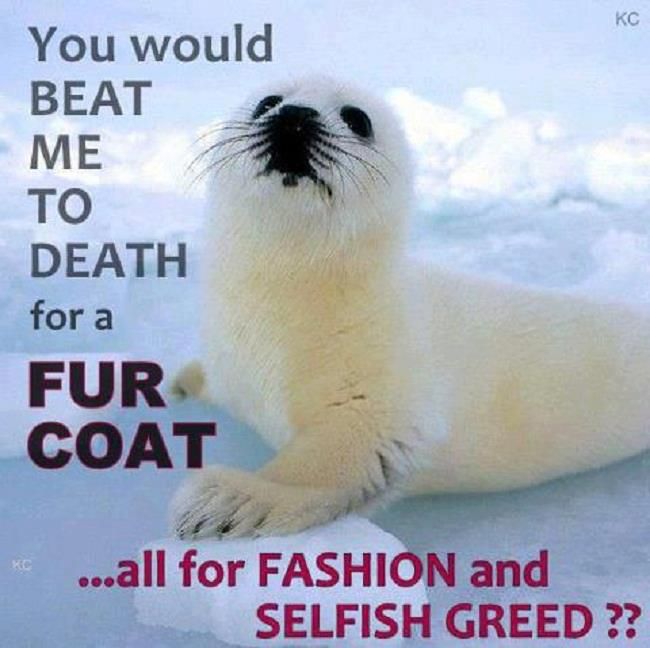
This source refers to the documentary Angry Inuk that I watched in a cinema class. I explained in my proposal that I wanted to talk about it mainly because it shows an important side of the story that has been hidden by animal activists. This source gave me extra information on my topic; I learned things that I will definitely incorporate in my feature story such as a concrete example of false representation depicted by anti-sealing campaigns. It is that baby whitecoat seals presented in several campaigns are actually never hunt by Inuit, it is illegal since 1987. Once again, I was exposed to a new perspective by looking at this source and learning about different elements regarding seal hunting which I knew very little about.
“Bell’s ‘Let’s Talk’ Campaign Rings Hollow for Employees Suffering Panic Attacks, Vomiting and Anxiety | CBC News.” CBCnews, CBC/Radio Canada, 25 Nov. 2017 Article on Bell’s Let’s Talk campaign
I had taken a quick look at this source before starting the research journey, but I wanted to explore it in more details. The article talks about Bell employees facing anxiety because of the high sales targets which is ironic considering that the company is known for the “Let’s Talk” mental health campaign. At first, I wasn’t sure if I should trust this source because the people complaining could be considered as a minority who do not have much impact. However, reading this changed my view on the company’s campaign and I am interested to find even more about this problematic.
Cultural Artifact
 Alexandra's Nonfiction Writing Blog